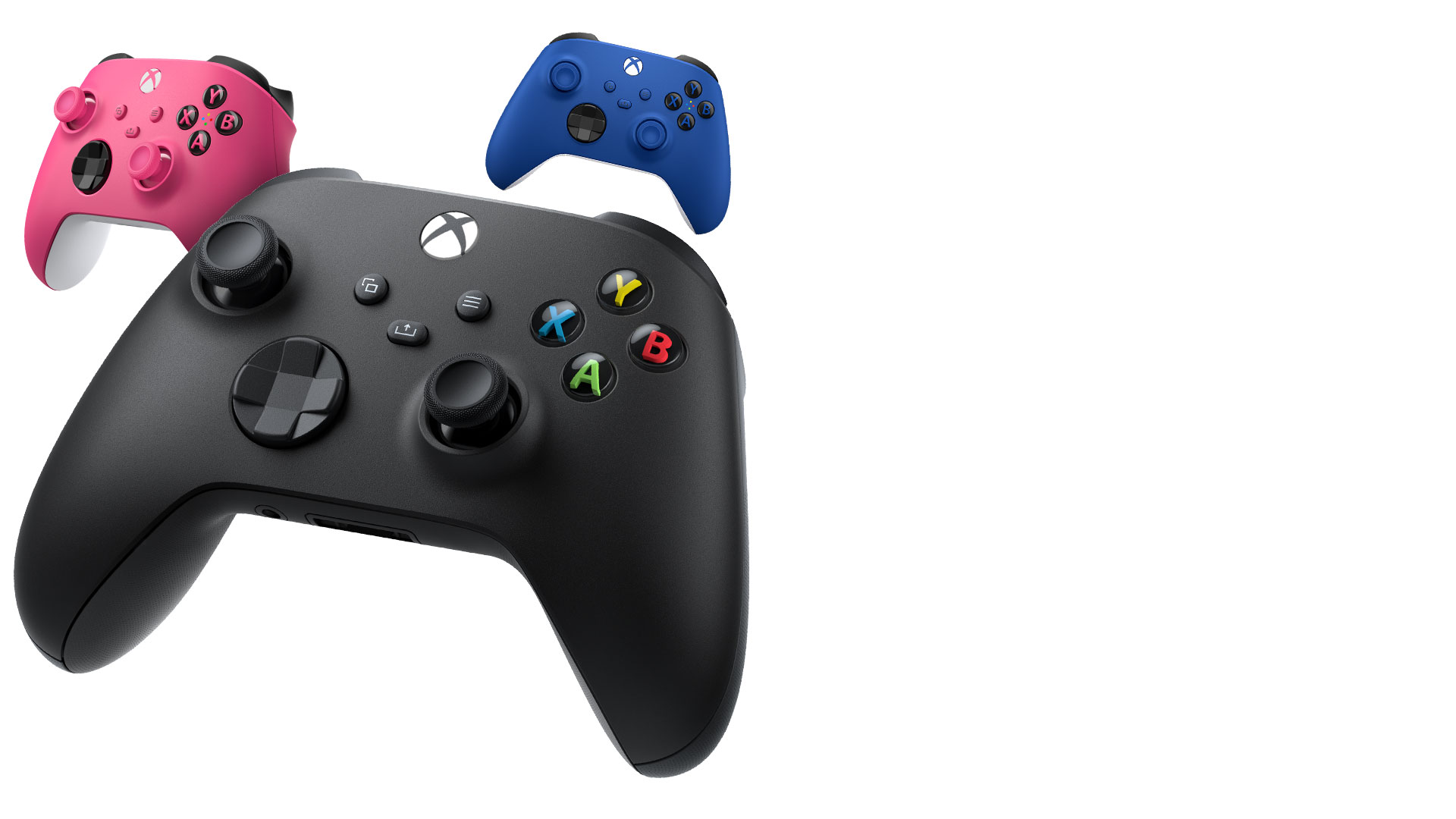
The Evolution of Game Controllers: How They Shaped Player Experience
Since their inception in the early days of video gaming, game controllers have undergone a remarkable transformation that has significantly shaped player experience. Originally, controllers were simplistic devices, often just a few buttons and a joystick, designed primarily for function rather than comfort or aesthetics. With advancements in technology, we have seen a gradual evolution towards more sophisticated designs, including features such as vibration feedback, motion sensing, and even touch interfaces. This evolution not only enhances gameplay but also allows developers to create more immersive environments that engage players on multiple levels.
Moreover, the rise of online gaming and eSports has further influenced the design of game controllers. Manufacturers now focus on ergonomic designs, customizable layouts, and high-precision inputs to cater to competitive gamers. As players demand more from their gaming experiences, controllers have adapted to include features such as programmable buttons and adjustable sensitivity settings. The ongoing evolution reflects a broader trend in gaming culture, emphasizing player comfort and performance, ultimately shaping how we interact with games on both casual and competitive fronts.
Counter-Strike is a highly popular first-person shooter (FPS) game that pits teams of terrorists against counter-terrorists in various objective-based scenarios. Players can choose to play as either side, strategizing and executing tactics to achieve their goals, whether that be planting or defusing a bomb or rescuing hostages. For mobile gamers looking to enhance their gaming experience, check out the Top 10 iPhone gaming accessories that can elevate gameplay and improve overall performance.
Understanding Controller Design: What Makes a Great Gaming Experience?
Understanding controller design is crucial for creating an engaging and enjoyable gaming experience. A great controller incorporates several key elements that enhance usability and responsiveness. First and foremost, ergonomics play a significant role; a well-designed controller fits comfortably in the hands for extended periods of gameplay, reducing fatigue. Secondly, the layout of buttons and analog sticks is essential—optimal placement allows gamers to execute commands swiftly without breaking their immersive experience. Other factors like customizable controls and tactile feedback through vibrations also contribute greatly to player satisfaction.
Moreover, the material and build quality of a controller cannot be overlooked. High-quality materials not only enhance the aesthetic appeal but also ensure durability under frequent use. Additionally, features such as wireless connectivity and battery life are becoming increasingly important in today's market. As gaming evolves, understanding these aspects of controller design is vital for manufacturers aiming to deliver products that provide an exceptional gaming experience. Ultimately, investing in a well-designed controller can transform how players interact with their favorite games, making the difference between a good and a great gaming session.
How Game Controllers Influence Gameplay Mechanics and Player Engagement
The design and functionality of game controllers play a crucial role in determining gameplay mechanics and enhancing player engagement. Controllers not only serve as the primary interface between the player and the game but also influence how players interact with the game environment. For instance, the addition of analog sticks allows for more nuanced control over movement, whereas trigger buttons can facilitate more complex actions such as acceleration and braking in racing games. This can significantly impact gameplay dynamics and how players approach challenges, making the choice of controller an integral part of the gaming experience.
Furthermore, the evolution of game controllers has ushered in a new era of engagement through features like haptic feedback and gyroscopic controls. These innovations enable players to feel the game more vividly, leading to an immersive experience that can heighten emotional engagement. For example, a controller equipped with vibration feedback can make a player feel the intensity of a battle scene, adding a layer of realism that can keep them invested in the game for longer. As developers continue to explore the potential of new controller technologies, the relationship between game controllers, gameplay mechanics, and player engagement will only grow stronger.