Understanding Sound Quality: Key Factors That Make a Difference
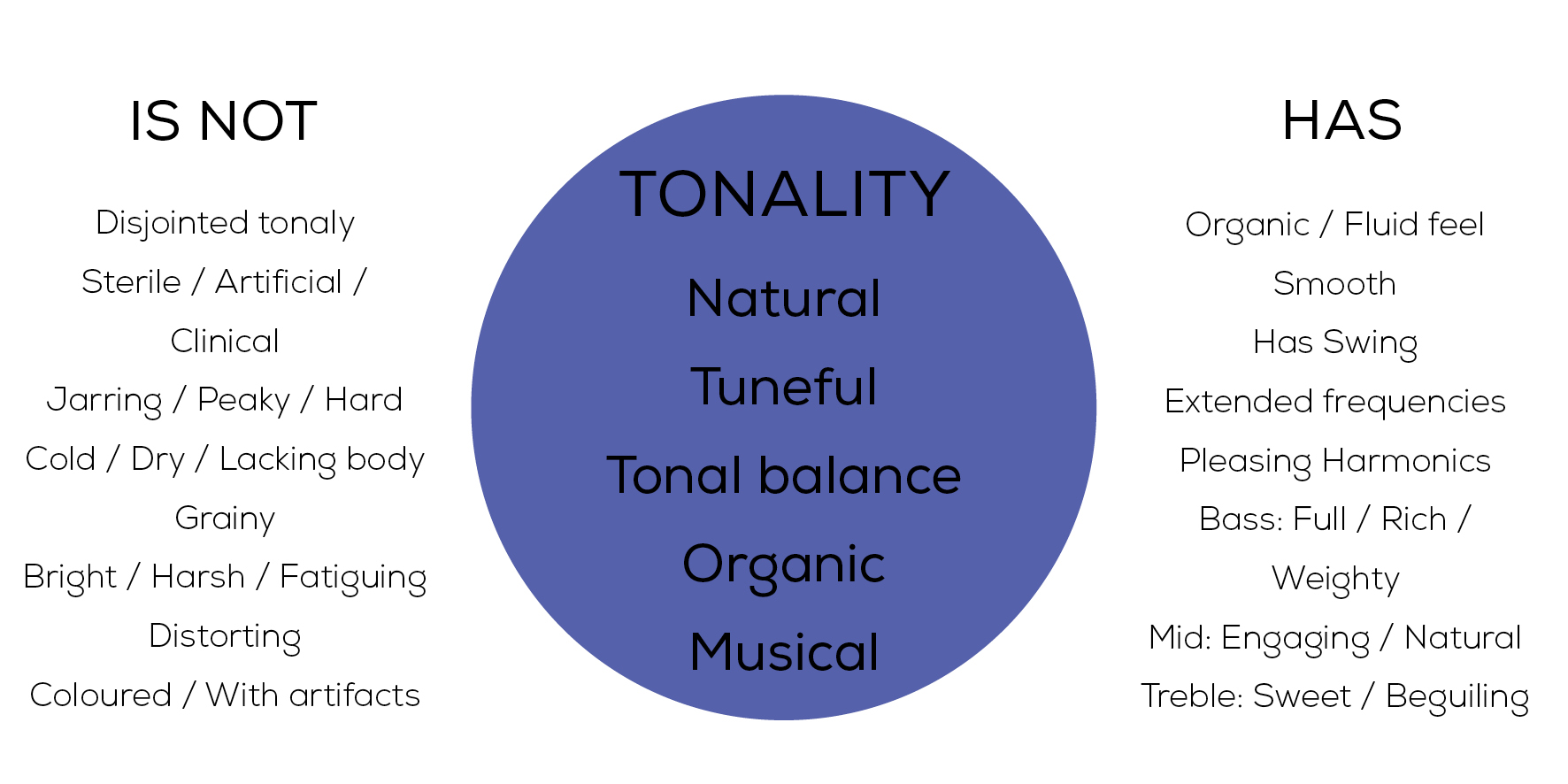
Understanding sound quality is essential for anyone who appreciates audio, whether it's music, movies, or gaming. Several key factors contribute to the overall experience of sound. These factors include frequency response, which measures how well a device can reproduce different frequencies; dynamic range, which refers to the difference between the quietest and loudest sounds; and total harmonic distortion (THD), which indicates how close the sound is to the original recording. By understanding these elements, you can make informed decisions when selecting audio equipment or evaluating sound quality.
Another important aspect of sound quality is the listening environment. The acoustics of a room play a significant role in how sound is perceived. For instance, hard surfaces can create echo, while soft materials can absorb sound, reducing reverberation. Additionally, the placement of speakers and listening position can greatly impact sound quality. To optimize your listening experience, consider the layout of your space, and invest in quality equipment that suits your acoustic environment.
Counter-Strike is a popular first-person shooter game that pits teams against each other in various objective-based missions. Players can choose to be part of the terrorist or counter-terrorist team, where strategy and teamwork are crucial for success. If you're looking to enhance your gaming experience, consider exploring Top 10 homepod stands that will help elevate your setup.
Top 5 Tips for Choosing the Perfect Headphones for Your Audiophile Needs
Choosing the perfect headphones for your audiophile needs can be a daunting task, given the vast array of options available in the market. To ensure you select the right pair, start by understanding your audio preferences. Different headphones cater to various sound signatures, such as balanced, bass-heavy, or treble-focused. Make a list of the genres you listen to most frequently, as this will guide you in identifying the best fit for your audiophile experience.
Next, pay attention to headphone types—over-ear, on-ear, and in-ear designs each have unique characteristics that affect sound quality and comfort. For optimal sound isolation and immersion, consider over-ear headphones, which are often favored by audiophiles for their superior soundstage. Lastly, prioritize build quality and comfort, as you'll want headphones that can withstand long listening sessions without fatigue. Keep these tips in mind to enhance your audio experience and make an informed choice.
How Room Acoustics Impact Your Listening Experience: A Deep Dive
The significance of room acoustics cannot be overstated when it comes to enhancing your listening experience. Acoustics refer to how sound waves interact with the environment, impacting clarity, depth, and overall sound quality. Factors such as wall materials, furniture placement, and even ceiling height can create echoes or diminish sound quality, leading to an unsatisfactory auditory experience. To improve these factors, consider using acoustic panels or strategic furniture arrangement to absorb or diffuse sound waves. This not only makes the room more enjoyable for listening but can also elevate your overall entertainment experience.
Moreover, understanding room acoustics helps in optimizing sound for various activities, whether it's listening to music, watching movies, or playing video games. Different types of materials can either reflect or absorb sound, affecting how sounds are perceived. For example, hardwood floors might reflect sound better than carpets, leading to a brighter, more lively sound but potentially more echoes. Therefore, a well-balanced acoustic environment often involves a mix of materials. Evaluate your space and experiment with arrangements or enhancements to discover how these changes can dramatically improve the clarity and richness of your audio experience.