The Science of Ergonomics: How Comfort Boosts Productivity
Ergonomics is the scientific study of how people interact with their environment, particularly in terms of comfort and productivity. Proper ergonomics aims to design workspaces and tools that enhance comfort, thereby allowing individuals to perform tasks more efficiently. When we prioritize comfort, we reduce the risk of strain and fatigue, leading to improved focus and higher productivity levels. For instance, individuals sitting in well-designed chairs with appropriate lumbar support can maintain better posture, ensuring that they can work longer without discomfort.
The correlation between comfort and productivity can be summarized in three key points:
- Reduced Pain: Comfortable work environments minimize physical strain, leading to less pain and discomfort.
- Increased Focus: When comfort is prioritized, workers can concentrate better on their tasks, which enhances overall performance.
- Enhanced Well-Being: A comfortable workspace fosters a positive attitude, making employees more engaged and motivated.
Counter-Strike is a highly popular tactical first-person shooter game that emphasizes teamwork and strategy. Players take on the roles of terrorists and counter-terrorists in various mission scenarios, such as bomb defusals and hostage rescues. For those who love gaming on the go, it’s essential to have the right equipment; check out the Top 10 MacBook Accessories for Office to enhance your gaming experience.
5 Essential Ergonomic Tools for a Healthier Workspace
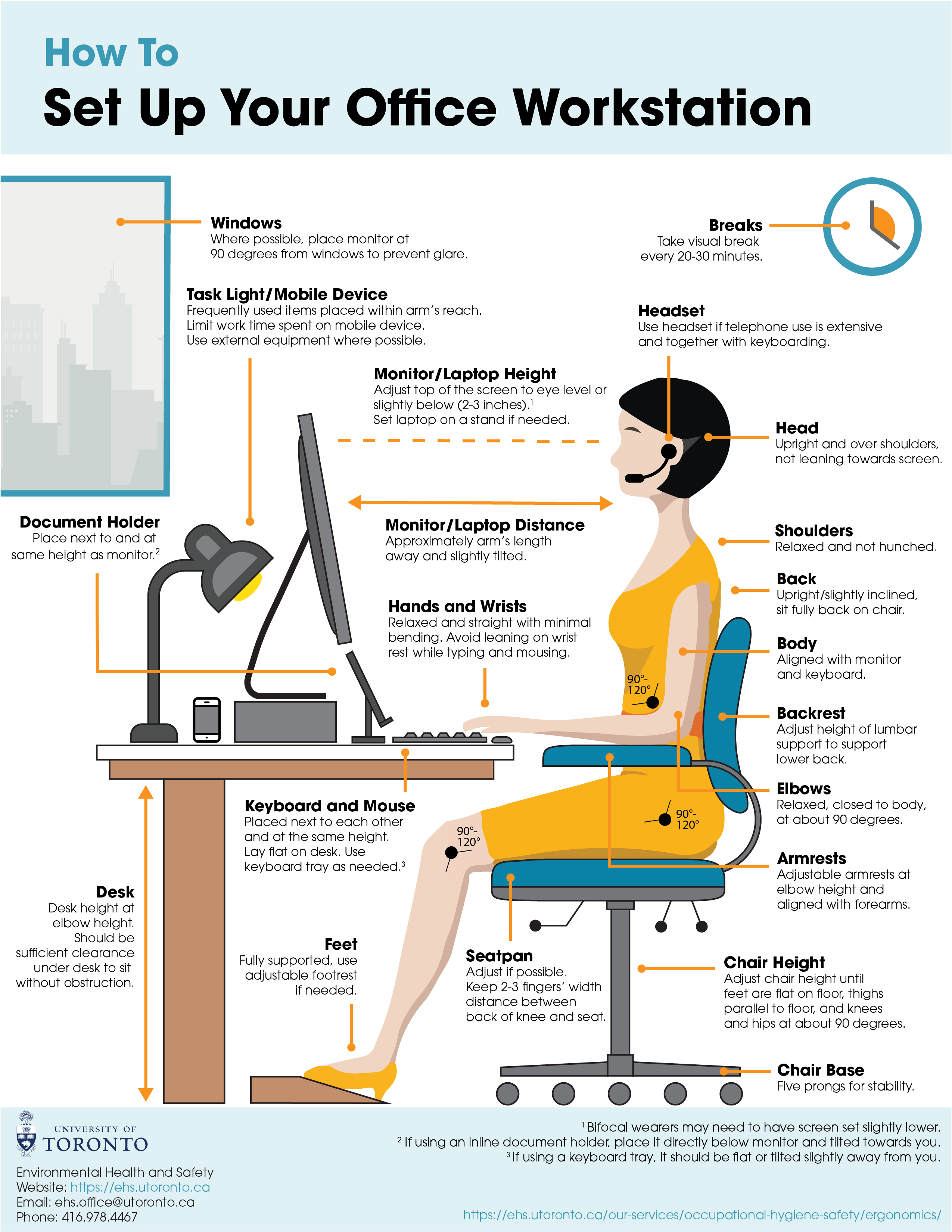
Creating a healthy workspace is indispensable for enhancing productivity and ensuring your well-being. One of the first steps towards achieving this is by investing in ergonomic tools. Here are 5 essential ergonomic tools that can transform your daily work environment:
- Ergonomic Chair: A well-designed chair provides necessary lumbar support and encourages good posture, reducing strain on your back.
- Adjustable Desk: Standing desks allow you to alternate between sitting and standing, which can help mitigate the risks associated with prolonged sitting.
- Keyboard and Mouse: Invest in ergonomic peripherals that reduce wrist strain, such as a wave-shaped keyboard and a vertical mouse.
- Monitor Stand: Positioning your monitor at eye level prevents neck strain, which can arise from looking down for extended periods.
- Wrist Rest: Using a wrist rest while typing or using a mouse can alleviate pressure on the wrist and enhance comfort.
Is Your Office Setup Hurting You? Discover the Key Signs of Poor Ergonomics
In today's fast-paced work environment, many individuals spend hours at their desks, often neglecting the critical aspect of ergonomics. Poor office setup can lead to a variety of health issues, including chronic pain, fatigue, and decreased productivity. To determine if your workstation is causing harm, look for these key signs of poor ergonomics:
- Frequent discomfort in the neck, back, or wrists
- Eye strain and headaches from improper screen placement
- Increased fatigue after a workday
Recognizing these symptoms is the first step towards creating a healthier work environment. It's essential to assess your office layout and make necessary adjustments to alleviate discomfort. Consider investing in adjustable furniture, proper lighting, and ergonomic accessories to promote better posture and reduce strain. By addressing these signs of poor ergonomics early on, you can safeguard your well-being and enhance your overall productivity.