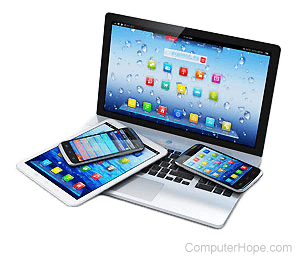
The Evolution of Technology: How Our Devices Became Essential Companions
The journey of technology has transformed our daily lives in ways that were once unimaginable. From the inception of the first computers that filled entire rooms to the sleek, handheld devices we carry today, technology has evolved to become an integral part of our existence. Early innovations like the telegraph and telephone laid the groundwork for effective communication, setting the stage for the rapid advancements that followed. As we moved into the digital age, devices such as smartphones, laptops, and tablets emerged, revolutionizing not just how we connect with each other, but also how we access information, conduct business, and manage our personal lives.
With the advent of the internet, the evolution of technology took another significant leap. Devices are no longer simply tools; they have become essential companions that enhance our productivity and provide entertainment. Today, we rely on a wide array of applications and services that not only facilitate our tasks but also offer us insights into our health, logistics, and social interactions. This ongoing development underscores a critical shift in societal dynamics, where technology isn't just an accessory but a cornerstone of our daily routines, influencing everything from personal relationships to global economies.
Counter-Strike is a popular tactical first-person shooter game that has captivated gamers since its release. Players compete in teams as terrorists or counter-terrorists, completing objectives such as bomb defusal or hostage rescue. As gaming gear becomes more important, many players seek Top 10 Mobile Accessories to enhance their gameplay experience.
From Smartphones to Smart Assistants: The Rise of Digital Sidekicks
The evolution of technology has brought us from clunky smartphones to the sophisticated smart assistants we rely on today. Initially, smartphones served as our primary tools for communication and internet access, but their functionalities grew as applications expanded. Now, with the integration of AI and machine learning, smart assistants like Siri, Google Assistant, and Alexa have emerged as essential digital sidekicks. These voice-activated helpers can perform a myriad of tasks, from setting reminders to facilitating smart home controls, ultimately streamlining our daily routines.
The rise of digital sidekicks marks a transformation in how we interact with technology. Users are increasingly embracing hands-free experiences, and smart assistants are designed to comprehend and respond to voice commands, making them user-friendly and accessible. Furthermore, as machine learning algorithms enhance their capabilities, these digital sidekicks are becoming smarter and more personalized, learning user preferences and habits over time. This not only suggests a future where technology will seamlessly integrate into our lives but also highlights the growing importance of optimizing content for smart assistants in today's SEO landscape.
Are We Dependent on Our Devices? Examining the Bond Between Humans and Technology
In today's fast-paced world, the bond between humans and technology has become increasingly complex. Our devices, from smartphones to laptops, serve as essential tools for managing daily tasks, connecting with others, and accessing information. However, the question arises: are we dependent on our devices? This growing reliance can lead to a sense of disconnection from the physical world as we become immersed in virtual interactions. Understanding this dependency requires a closer examination of how technology enhances our lives while also potentially hindering our ability to engage authentically with those around us.
Moreover, studies have shown that our attachment to technology is not merely a habit but a psychological bond. Many individuals find it difficult to disconnect from their devices, often experiencing anxiety when separated from them. This dependency can manifest in various ways, including diminished face-to-face interactions and reduced attention spans. To maintain a healthy balance, it's crucial to set boundaries around our technology usage. By fostering moments of tech-free time, we can cultivate deeper connections with others and a greater appreciation for the real world, ultimately redefining the nature of our relationship with technology.