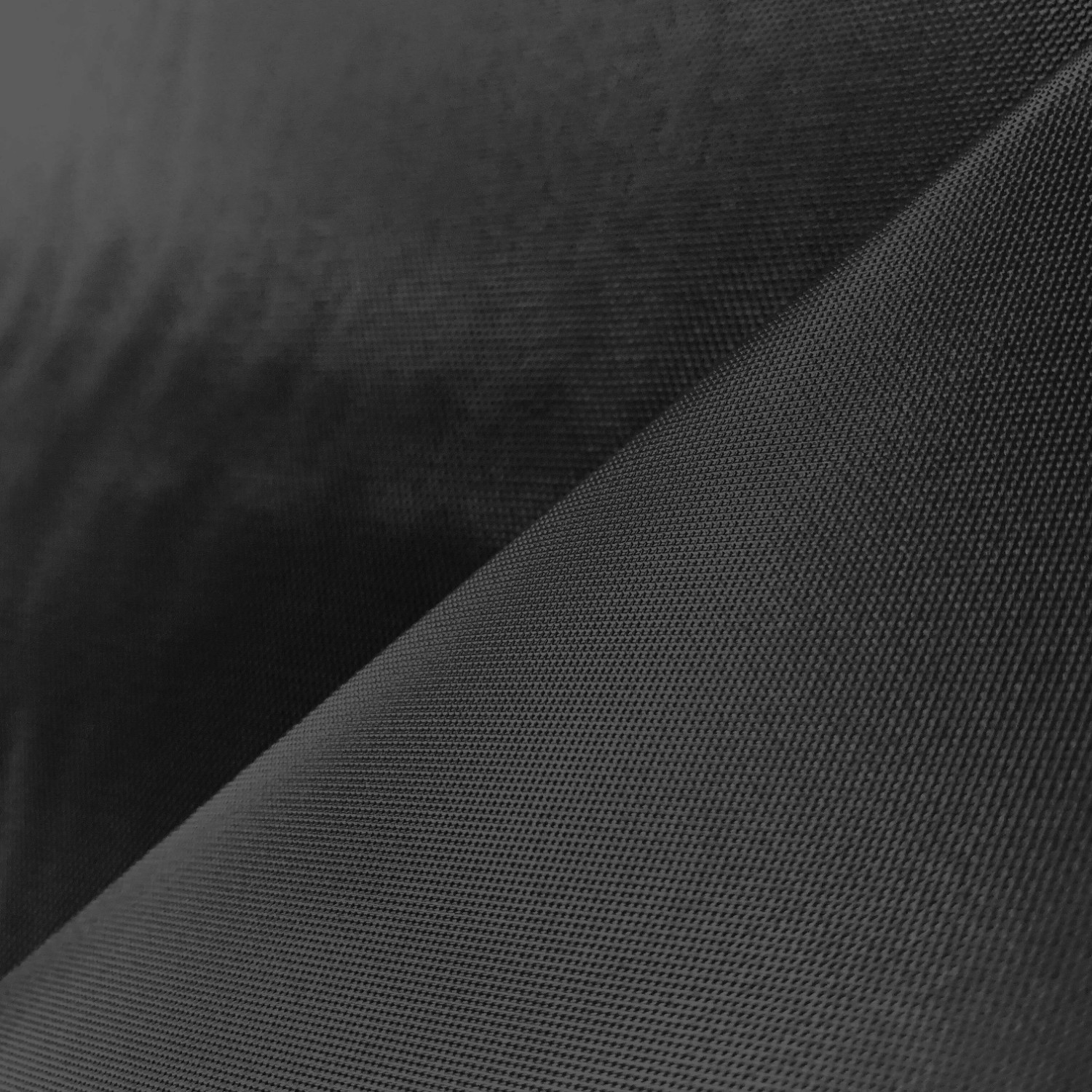
The Rise of Nylon: Revolutionizing Textiles in the 20th Century
The 20th century witnessed a remarkable transformation in the textile industry, primarily through the introduction and widespread adoption of nylon. First synthesized by Wallace Carothers and his team at DuPont in 1935, nylon became the first synthetic fiber to be produced on a commercial scale. Initially used for making hosiery, it quickly garnered immense popularity, replacing silk during World War II due to shortages and its superior strength. The versatility of nylon led to its incorporation into various applications beyond clothing, including fishing lines, parachutes, and even tire reinforcements, solidifying its status as a revolutionary material.
As the demand for nylon grew, manufacturers began to explore its extensive potential in the fashion and home textile markets. By the mid-20th century, designs featuring nylon fabric flooded the market, contributing to dynamic changes in styles and consumer preferences. Its lightweight, durable, and elastic qualities made it ideal for activewear, lingerie, and more, ushering in an era of innovation characterized by comfort and functionality. Furthermore, the rise of nylon sparked a broader discussion around sustainability and the environmental impact of synthetic fibers, as the world began to assess the long-term implications of synthetic textiles alongside their undeniable benefits.
Counter-Strike is a popular tactical first-person shooter that has garnered a massive following since its release. It revolves around team-based gameplay, where players can choose to be either terrorists or counter-terrorists, each with distinct objectives. For gamers looking to enhance their gaming experience, a comfortable setup can make a difference, and you might want to check out the Top 10 Lightweight Apple Watch Bands for a stylish accessory.
How Nylon Fabric is Transforming Sustainable Fashion
Nylon fabric, traditionally known for its durability and elasticity, is making a significant impact in the world of sustainable fashion. As consumers become increasingly aware of the environmental consequences of their choices, brands are turning to regenerated nylon, often made from discarded materials such as fishing nets and fabric scraps. This innovative approach not only reduces waste but also minimizes the reliance on virgin resources, positioning nylon as a key player in the circular economy. By embracing sustainable nylon, fashion labels can meet the rising demand for eco-friendly alternatives while maintaining the high-performance qualities that nylon is famous for.
The transformation of nylon fabric in sustainable fashion goes beyond just material sourcing. Brands are increasingly adopting ethical manufacturing processes and promoting transparency in their supply chains. This commitment to sustainability allows consumers to make informed choices, fostering a sense of trust and loyalty. Additionally, the resurgence of nylon through environmentally conscious practices is paving the way for innovative designs that marry style and responsibility. As more designers and consumers prioritize sustainability, nylon is poised to redefine the future of fashion, demonstrating that eco-friendly can also equate to chic.
Nylon vs. Natural Fibers: Which is the Future of Fashion?
The debate between Nylon and natural fibers continues to shape the future of fashion. While Nylon, a synthetic polymer, offers durability, resilience, and versatility, it is often criticized for its environmental impact due to the fossil fuels required for its production. On the other hand, natural fibers such as cotton, linen, and hemp are celebrated for their biodegradability and lower carbon footprint. As consumers become increasingly eco-conscious, many brands are focusing on sustainable practices, leading to a resurgence in the popularity of natural fibers.
However, the advantages of Nylon cannot be overlooked. Its moisture-wicking properties and ability to retain shape make it a preferred choice for activewear and performance textiles. Furthermore, innovations in the textile industry are paving the way for sustainable Nylon options, such as recycled Nylon sourced from post-consumer waste. This development poses a critical question: will the future of fashion favor Nylon's functional benefits or the eco-friendly appeal of natural fibers? As the industry evolves, striking a balance between sustainability and performance will be key.