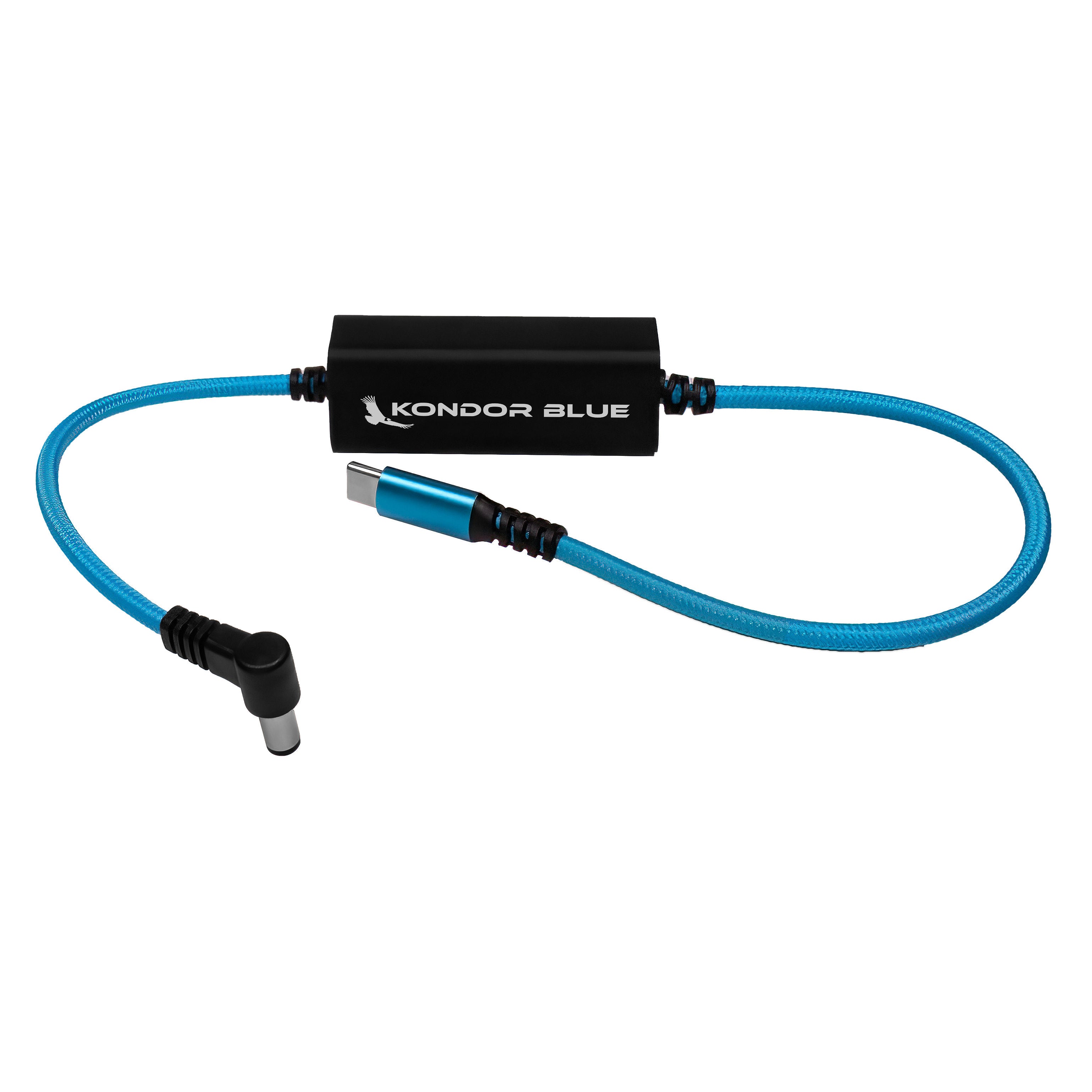
What is Power Delivery and How Does it Impact Modern Connectivity?
Power Delivery (PD) is a technology that permits devices to negotiate power levels through a USB connection, enhancing both charging speed and efficiency. Unlike traditional USB standards, which often deliver fixed power levels, Power Delivery allows for dynamic power allocation, enabling devices to receive anywhere from 5 watts to a staggering 100 watts of power. This versatility has made PD a game-changer in today's tech landscape, where multiple devices such as smartphones, laptops, and tablets require rapid charging solutions to keep up with our increasingly mobile lifestyles.
The impact of Power Delivery on modern connectivity is profound. Not only does it streamline the charging process of multiple devices using a single cable, but it also contributes to the development of smart tech ecosystems. For instance, the interoperability of PD across various gadgets—from chargers to peripherals—facilitates a more unified user experience. As we transition towards a future where connectivity and power management are paramount, Power Delivery stands at the forefront, redefining how we perceive and interact with technology.
Counter-Strike is a highly popular first-person shooter video game that has captivated players since its inception. The game pits two teams against each other: Terrorists and Counter-Terrorists, where the objective varies from bomb planting to hostage rescue. For those interested in enhancing their gaming experience, you might want to check out the Top 10 fast chargers for iphone to keep your devices powered during intensive gaming sessions.
The Evolution of Power Delivery: From Legacy Charging to High-Speed Connections
The landscape of power delivery has undergone a remarkable transformation over the past few decades. Initially, legacy charging systems relied on slow, inefficient methods that often left devices underpowered or slow to recharge. These systems, primarily designed for older gadgets, utilized bulky connectors and limited power outputs, which severely hampered the user experience. However, with the advent of modern technology, we have witnessed the rise of new standards that vastly improve charging efficiency and speed. Innovations such as USB Power Delivery (USB PD) and Quick Charge technologies have redefined how we power our devices, enabling rapid charge times and the capability to deliver higher wattage across various platforms.
Today, high-speed connections are not just a luxury but a necessity, as our dependency on electronic devices continues to grow. These advanced power delivery systems enable faster charging for everything from smartphones to laptops, ensuring that users can stay connected without long waits. With features like bidirectional charging and adaptive power levels, modern systems can intelligently distribute energy according to device needs, making them more versatile than their predecessors. As we explore the future of power delivery, we can expect even more innovations that will enhance our charging experiences and accommodate the demands of next-generation technology.
Common Myths About Power Delivery: Debunking Misconceptions
Power delivery (PD) technologies have gained significant attention in recent years, but with that attention come various misconceptions. One common myth is that power delivery can only be utilized with certain devices. In reality, power delivery is compatible with a wide range of electronics, including smartphones, laptops, and tablets. This versatility is due to the USB-C interface, which allows for higher power levels and faster charging capabilities, ultimately enhancing user experience.
Another prevalent myth is the belief that using a power delivery charger is dangerous for your device. Many users worry that the increased power output could damage their gadgets. However, power delivery technology is designed with safety in mind. It includes features such as intelligent negotiation of power levels, ensuring that devices only draw what they can handle. This built-in safety mechanism debunks the misconception that power delivery is risky, making it a reliable charging option for modern electronics.