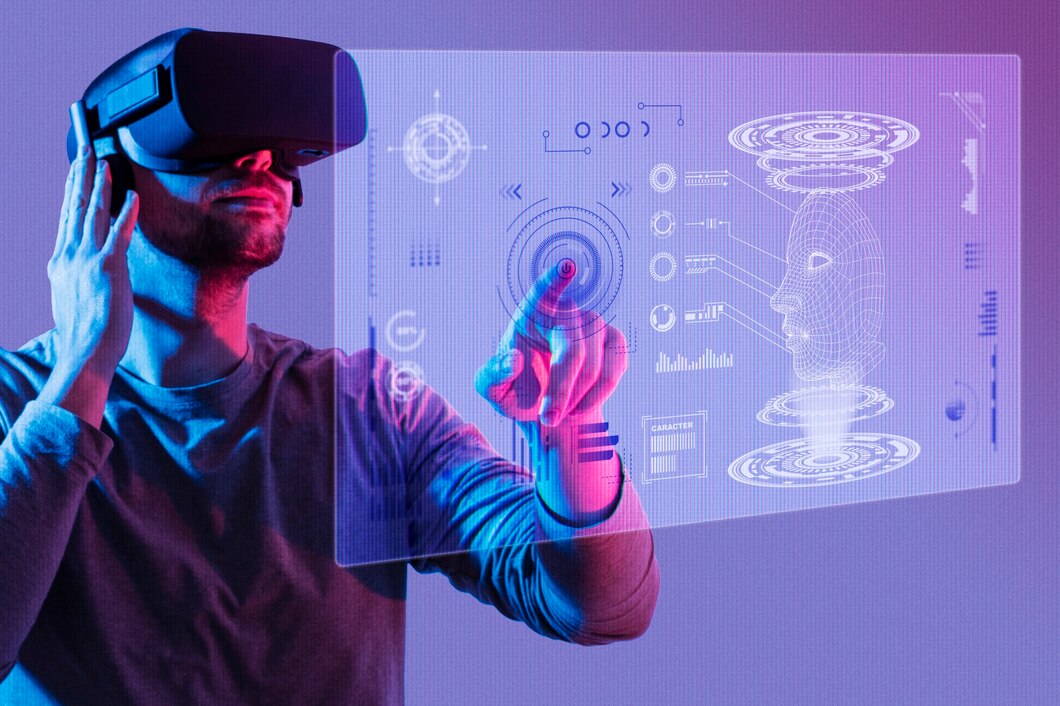
Exploring the Impact of Virtual Reality on Everyday Life
The rise of Virtual Reality (VR) technology has significantly transformed the way we interact with our everyday environment. From gaming and entertainment to education and healthcare, VR creates immersive experiences that engage users on a new level. For instance, in the realm of education, students can take virtual field trips to historical sites or explore complex scientific concepts through interactive simulations. This not only makes learning more engaging but also enhances retention by providing experiential knowledge.
Moreover, the impact of Virtual Reality extends beyond the traditional boundaries of leisure and education. As industries increasingly adopt VR for training and skill development, employees can practice in simulated environments, minimizing risk and maximizing efficiency. For example, medical professionals utilize VR for surgical simulations, allowing them to hone their skills without the pressure of real-life consequences. This transformative technology is paving the way for a future where daily activities are enriched, providing benefits that were once confined to the realm of science fiction.
Counter-Strike is a popular multiplayer first-person shooter game that has captivated players since its initial release in 1999. The game emphasizes teamwork and strategy, as players assume the roles of terrorists or counter-terrorists and compete in various game modes. If you're looking for the best gaming accessories to enhance your experience, check out the Top 10 apple vision pro head straps that can provide comfort and support during long gaming sessions.
How VR Technology is Transforming Education and Training
Virtual Reality (VR) technology is revolutionizing the way education and training are approached across various fields. By immersing users in a fully interactive environment, VR creates unique opportunities for hands-on learning and skill development. For instance, medical students can practice surgical procedures in a risk-free virtual setting, allowing them to gain necessary experience before engaging with real patients. This immersive experience not only enhances understanding but also boosts retention rates among learners, making the educational experience more impactful.
Moreover, VR technology transcends geographical barriers, providing access to quality education and training resources for individuals across the globe. With platforms that deliver virtual classrooms, students can attend lectures from renowned instructors without being physically present. This capability is particularly beneficial for remote communities and those with limited access to traditional educational institutions. As VR technology continues to advance, it promises to further enhance collaboration and engagement, transforming the landscape of education and training as we know it.
Can Virtual Reality Enhance Empathy and Social Awareness?
Virtual Reality (VR) has emerged as a powerful tool in enhancing empathy and social awareness. By immersing individuals into carefully crafted experiences, VR can simulate situations that allow users to step into someone else's shoes. For instance, VR experiences depicting the challenges faced by marginalized communities can evoke emotional responses that traditional media often fail to achieve. This immersive storytelling not only fosters understanding but also encourages reflection on personal biases, making it a unique avenue for education and social change.
Moreover, the effectiveness of VR in building empathy can be observed through various studies that show participants often report heightened levels of compassion after engaging in virtual experiences. As users navigate scenarios where they must make decisions based on the challenges faced by others, they develop a deeper awareness of social issues. With the potential to create a more empathetic society, the integration of VR in educational and therapeutic settings highlights its significance in promoting social awareness and driving meaningful conversations around diversity and inclusion.