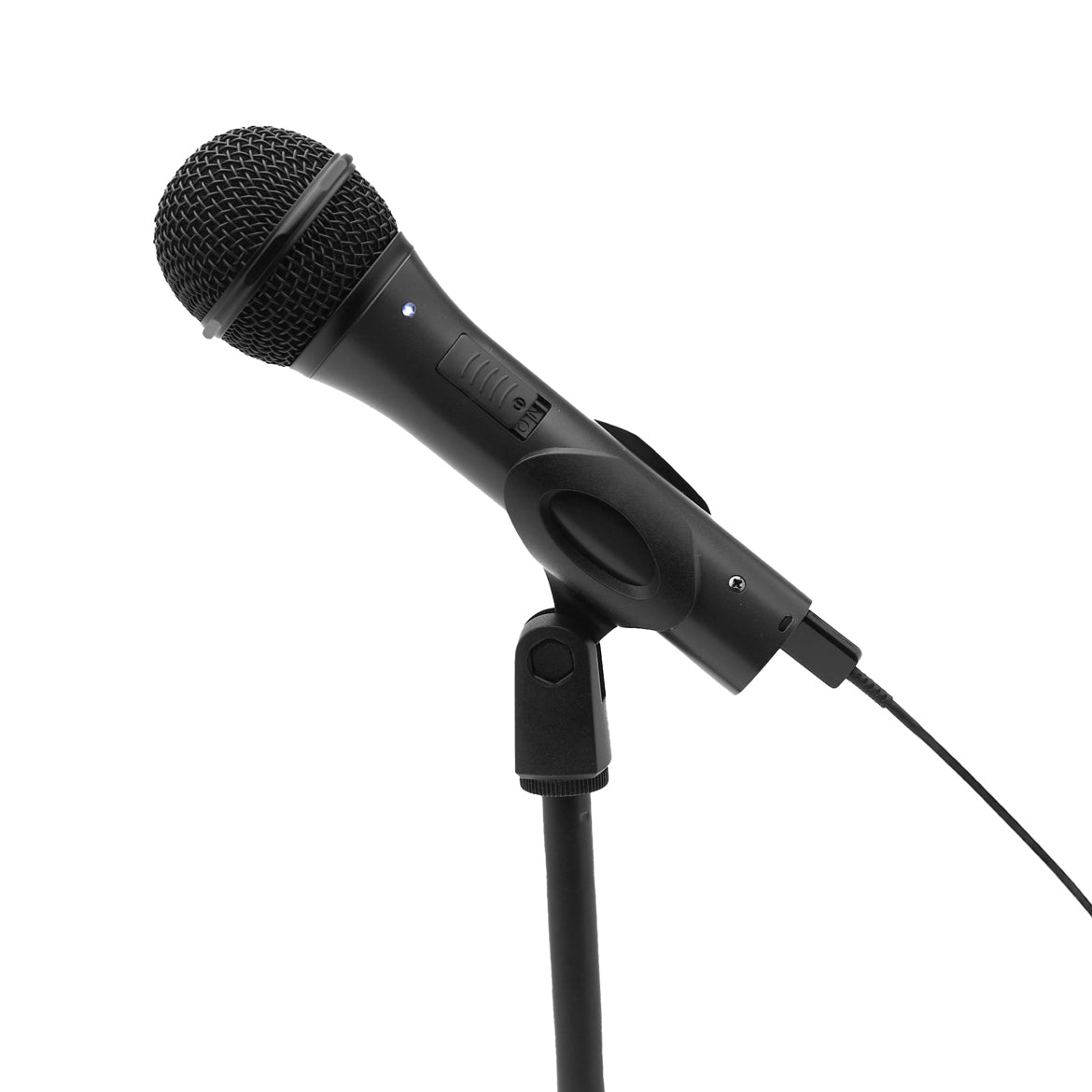
Understanding the Different Types of Microphones: A Comprehensive Guide
When it comes to audio recording, understanding the different types of microphones is crucial for achieving the best sound quality. Microphones can generally be categorized into two main types: dynamic and condenser. Dynamic microphones are robust and ideal for live performances, as they can handle high sound pressure levels without distortion. On the other hand, condenser microphones are more sensitive and are often used in studio settings for capturing vocals and acoustic instruments with greater clarity. Each microphone type has its unique characteristics, making it essential for users to choose the right one based on their specific recording needs.
In addition to dynamic and condenser microphones, there are several specialized types worth considering. For example, ribbon microphones are known for their vintage sound and are often used in recording studios to achieve a warm tonal quality. Lavalier microphones, also called lapel mics, are small and discreet, making them perfect for interviews and presentations. Lastly, shotgun microphones are highly directional and are commonly used in film production to capture sound from a specific source while minimizing background noise. Understanding these variations will empower you to make informed decisions when selecting microphones for your projects.
Counter-Strike is a highly popular tactical first-person shooter that pits teams of terrorists against counter-terrorists in various objective-based scenarios. The game has evolved significantly since its inception, introducing new maps, weapons, and gameplay mechanics that keep players engaged. For gamers looking to enhance their streaming experience, check out the Top 10 Phone Accessories for YouTube that can optimize video quality and audio clarity.
Top 5 Tips for Choosing the Right Microphone for Your Needs
Choosing the right microphone can significantly enhance your audio projects, whether you're a podcaster, musician, or content creator. To start, consider what type of microphone best suits your needs. Dynamic microphones are excellent for live performances and loud sounds, while condenser microphones tend to capture a wider frequency range, making them ideal for studio recordings. Additionally, assess the connectivity options such as USB or XLR, depending on your recording setup and equipment.
Next, it's essential to evaluate your budget. Microphones come in a wide price range, and it's important to find one that offers the best quality without breaking the bank. Make a shortlist and read reviews or watch demos to determine which models fit your criteria. Don’t forget to consider the setting in which you'll be using the microphone. For example, if you’re recording in a noisy environment, a microphone with good isolation features will be crucial.
How Microphone Placement Affects Sound Quality: Best Practices Explained
The placement of a microphone is crucial in determining the overall sound quality of any recording. Microphone placement affects everything from the clarity of the audio to the spatial qualities of the sound. For instance, positioning a mic too close to the sound source can lead to issues like distortion or an undesired emphasis on certain frequencies. Conversely, placing it too far away might result in a lack of presence and details. Therefore, understanding the principles behind microphone placement can greatly enhance your audio production, allowing you to capture the best possible sound.
To achieve optimal sound quality, consider these best practices when positioning your microphone:
- Distance: Maintain a distance that ensures clarity while avoiding distortion. Start at about six inches and adjust based on the source's loudness.
- Angle: Experiment with angles to find the sweet spot that captures richness without unwanted noise.
- Environment: Be mindful of reflections and background noise; use acoustic panels if necessary to improve the recording space.