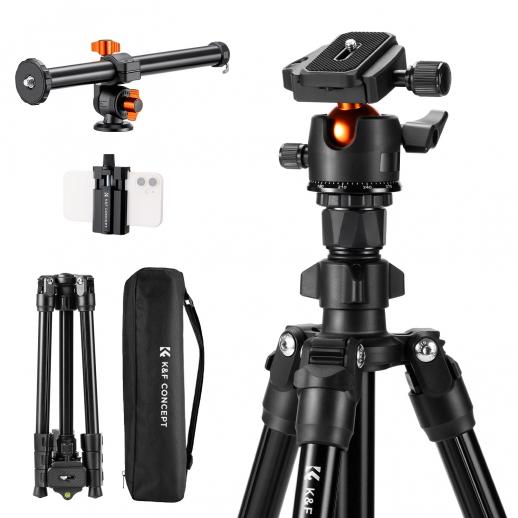
The Anatomy of a Tripod: What Makes a Great Support System?
A great tripod is essential for any photographer or videographer looking to capture stunning images and videos with stability and precision. At the core of a tripod lies its construction, typically made from materials such as aluminum or carbon fiber. These materials contribute to its weight and durability. A high-quality tripod will often have adjustable legs with rubber or spiked feet, allowing it to adapt to various terrains. Additionally, the head of the tripod, where the camera is mounted, plays a crucial role. There are several types of tripod heads including ball heads, pan-tilt heads, and gimbal heads, each offering different levels of flexibility and control for achieving the perfect shot.
When selecting a tripod, it is important to consider load capacity, as this ensures that it can support your camera and any additional equipment, such as lenses or lighting. A good rule of thumb is to choose a tripod with a load capacity that exceeds the total weight of your gear. Furthermore, ease of setup and portability are key factors; a tripod that is lightweight and has a quick-release mechanism can make the difference during a swiftly changing scene. Lastly, features such as adjustable height and a stable base can enhance your shooting experience, giving you the freedom to experiment with different angles and compositions.
Counter-Strike is a multiplayer first-person shooter game that has evolved into one of the most popular competitive gaming titles. It combines strategic team-based gameplay with fast-paced action, making it a favorite among gamers worldwide. For those interested in taking their gaming or creative pursuits on the road, check out our Top 10 Travel Gear for Creators to ensure you have everything you need while on the go.
Top 5 Tripod Types: Which One is Right for Your Photography Needs?
When it comes to photography, the right tripod can make all the difference in achieving stunning, sharp images. There are several types of tripods available, each catering to different photography needs. In this article, we will explore the top 5 tripod types to help you determine which one is best suited for your unique shooting style. From lightweight travel tripods to versatile all-purpose options, choosing the right tripod is crucial for anyone serious about capturing high-quality photographs.
Here's a quick overview of the top 5 tripod types:
- Travel Tripods: Designed for portability, these tripods are compact and lightweight, making them ideal for photographers on the go.
- Ball Head Tripods: Known for their versatility, ball head tripods allow for smooth adjustments, making it easier to switch angles quickly.
- Giant Tripods: Perfect for studio work or outdoor shoots, these sturdy tripods provide maximum stability, handling heavy cameras with ease.
- Compact Mini Tripods: Small and portable, mini tripods are great for achieving steady shots in tight spaces or for use with smartphones.
- Video Tripods: Specifically designed for videographers, video tripods often include fluid heads for smooth panning and tilting motions.
How to Choose the Perfect Tripod for Your Next Adventure
Choosing the perfect tripod for your next adventure is crucial for capturing stunning photographs. First, consider the weight and portability of your tripod. If you plan on hiking or traveling light, look for a lightweight model that easily fits into your backpack. Many reputable brands offer carbon fiber options that, while more expensive, provide excellent durability without the bulk. Additionally, review the height and stability of the tripod; a model with adjustable legs and a strong base will ensure you have the perfect shot, even on uneven terrain.
Next, evaluate the features that suit your photography style. Tripods come with various heads, such as ball heads or pan-tilt heads, which offer different levels of flexibility for capturing the perfect angle. If you plan to shoot in various environments, consider a tripod with water-resistant features or one that can withstand windy conditions. Don't forget to check the load capacity to ensure it can support your camera and any additional equipment you may have. By assessing these factors, you'll find a tripod that not only meets your needs but also enhances your overall photography experience on your next adventure.