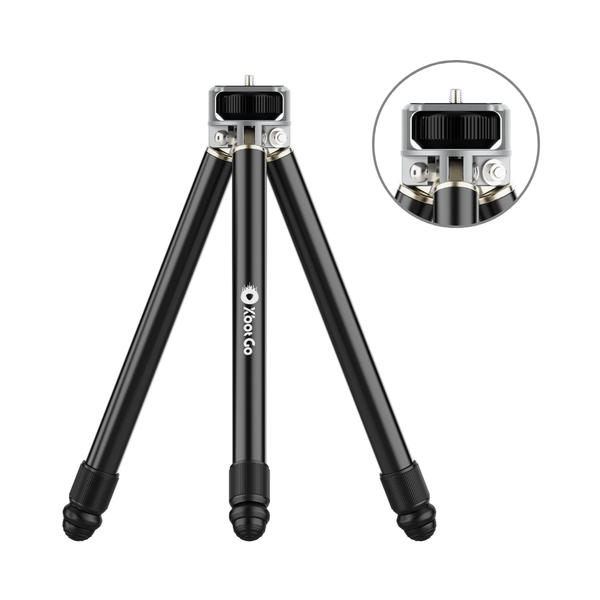
10 Essential Tripod Tips for Capturing Stunning Photographs
Capturing stunning photographs is an art that requires both skill and the right tools. A tripod is one of the most essential accessories for photographers, providing stability and support for your camera. Here are 10 essential tripod tips to ensure your pictures come out crisp and clear. First, always choose the right tripod for your needs. Consider factors like weight, height, and material. A lightweight aluminum tripod is great for travel, while a heavier option can provide better stability for studio work.
Next, set up your tripod correctly to achieve the best results. Make sure the legs are fully extended and locked in place, and adjust the height to match your shooting position. If you’re shooting in windy conditions, spread the legs wider for added stability. Additionally, using a remote shutter release or the camera’s timer will help eliminate camera shake when pressing the shutter button, ensuring your images remain sharp.
Counter-Strike is a popular first-person shooter game that emphasizes teamwork and strategy, pitting two opposing teams against each other in various objective-based scenarios. The game's competitive nature and skill-based gameplay have made it a staple in esports, with professional tournaments drawing millions of viewers. For players looking to elevate their mobile photography, check out the Top 10 iPhone photography accessories that can enhance your skills and creativity.
How to Choose the Right Tripod for Every Photography Situation
Choosing the right tripod is crucial for achieving stunning photography results, no matter the situation. First, consider stability and height: a sturdy tripod can reduce camera shake, which is vital for long exposure shots or in windy conditions. Look for tripods made from durable materials such as aluminum or carbon fiber, as they provide better stability. Additionally, evaluate the maximum and minimum height of the tripod to ensure it accommodates your shooting style, whether you're photographing landscapes from a high vantage point or capturing intricate details close to the ground.
Next, consider the specific photography scenarios you anticipate. For instance, if you're venturing into nature for landscape photography, a tripod with an adjustable leg spread and flip locks is ideal for uneven terrain. On the other hand, if you're focused on portrait photography, a lightweight and portable tripod will facilitate mobile shooting. Remember to assess the load capacity of the tripod so it can support your camera and lens setup effectively. By considering these factors, you'll be well-equipped to select the right tripod for every photography situation.
What Makes a Great Tripod? Key Features to Consider
When it comes to photography, tripods play an essential role in achieving stability and precision in your shots. The first key feature to consider is the tripod's material. Lightweight options, such as aluminum or carbon fiber, are preferable for travel photographers who need to minimize weight without sacrificing sturdiness. Additionally, the height and adjustability of the tripod legs are vital; look for models that can extend high enough for your needs and fold down to a compact size for transport. A tripod that offers a wide height range gives you more flexibility and creative options when composing your shots.
Another significant aspect is the head type of the tripod, which can dramatically affect your shooting experience. The choice between ball heads and pan-tilt heads depends on your shooting style; ball heads offer quick adjustments and versatility, while pan-tilt heads provide precise control for landscape shots. Don't overlook the stability features as well. A tripod with spiked feet or a wider base enhances stability on uneven surfaces. Finally, consider the weight capacity of your tripod to ensure it can support your gear confidently, making sure you can shoot without worry of collapse.