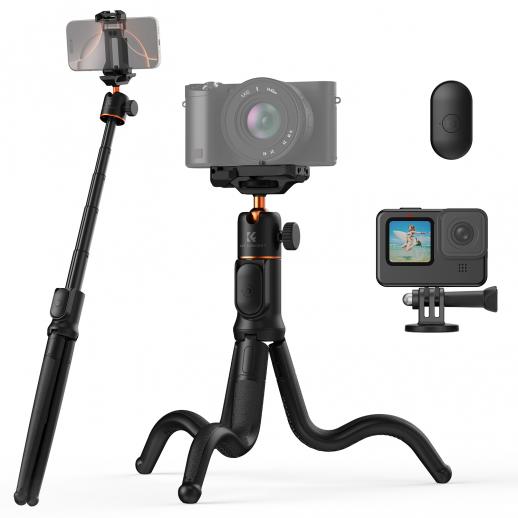
Mastering Composition: Essential Techniques for Stunning Photography
When it comes to photography, mastering composition is crucial for creating stunning images that captivate your audience. One of the most effective techniques is the rule of thirds, where you divide your frame into a 3x3 grid and place key elements along these lines or their intersections. This method not only creates balance but also guides the viewer's eye through the photograph. Other essential techniques include leading lines, which draw the viewer's focus towards the main subject, and framing, where you use elements within the scene to encircle and highlight your subject.
Additionally, understanding the power of negative space can elevate your photography to new heights. By consciously leaving empty areas around your subject, you create a sense of minimalism and allow your subject to breathe. Experiment with symmetry and asymmetry to convey different emotions and storytelling angles. Remember, the goal is to evoke a reaction, so don't be afraid to break the rules occasionally. By incorporating these composition techniques into your work, you'll not only enhance your skills but also produce standout photographs that leave a lasting impression.
Counter-Strike is a popular tactical first-person shooter game that pits teams of terrorists against counter-terrorists in various objective-based missions. The game has evolved through multiple versions, including Counter-Strike 1.6, Counter-Strike: Source, and the highly acclaimed Counter-Strike: Global Offensive (CS:GO). Many players not only enjoy playing the game but also sharing their experiences through streaming platforms. For those interested in content creation, here is a resource on the Top 10 Vlog Kits for iPhone 17 that can help enhance your streaming quality.
The Importance of Stability: How a Tripod Can Transform Your Photography
In the realm of photography, achieving the perfect shot often hinges on a fundamental element: stability. A tripod can be the game-changer that elevates your photography to professional levels by providing a solid foundation, allowing you to capture images without the shakes and blurs caused by hand-holding your camera. Whether you're shooting long exposures, landscape vistas, or intricate macro shots, a quality tripod ensures that your camera stays precisely where you want it, enabling you to focus on composition and lighting rather than worrying about camera movement.
Moreover, using a tripod opens up a world of creative possibilities. With the added stability it provides, you can experiment with slow shutter speeds to capture stunning motion blur effects or take a series of shots for panoramic stitching. This invaluable tool also fosters greater consistency across your work, perfect for situations requiring multiple identical frames. Investing in a tripod is not just a purchase; it's a commitment to enhancing your photographic journey and the quality of your images.
What to Look for When Choosing the Perfect Tripod for Your Photography Style
When selecting the perfect tripod for your photography style, it's essential to consider several key factors. First and foremost, assess the weight capacity of the tripod, especially if you plan to use heavy gear, such as DSLRs or professional lenses. A reliable tripod should comfortably support your camera setup without compromising stability. Additionally, think about the material of the tripod; options like aluminum are durable yet lightweight, while carbon fiber offers superior strength with even less weight. The choice of material can significantly influence your portability and overall shooting experience.
Another crucial aspect is the height and adjustability of the tripod. Look for a model that can extend to your preferred shooting height and also offers low-angle capabilities for unique perspectives. Make sure to check for leg locks that are easy to operate and maintain stability on uneven surfaces. Additionally, features such as a quick-release plate and a bubble level can enhance your photography workflow, allowing for seamless transitions and precise alignment. By taking these elements into account, you can ensure you're making an informed choice that aligns with your specific photography style and needs.